Fibromyalgia, Up Close and Personal
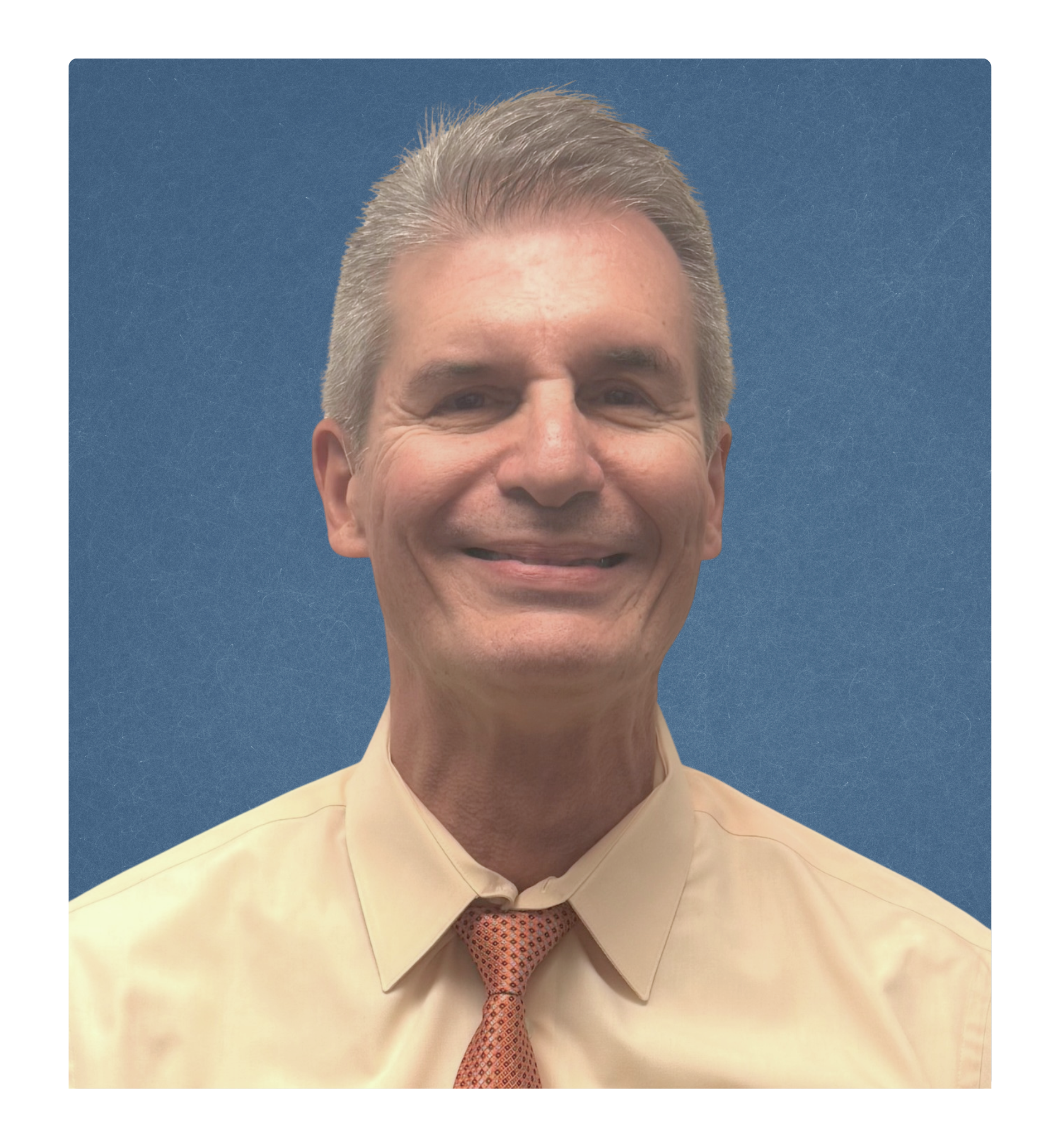
with Mark J. Pellegrino, MD
Through the years TyH Supplements founders Margy and David Squires have had the opportunity to meet and work with numerous health care professionals and many have written articles in our first newsletter, Health Points. Dr. Pellegrino holds a special place in TyH’s commitment to bring help and healing to the fibro community.
What makes Dr. Pellegrino memorable? Perhaps his empathy toward others comes from dealing with his own physical limitations as he persevered through medical school both with fibromyalgia and a hearing disability. Perhaps it is his experience of treating more than 40,000 fibromyalgia patients in his private practice in Ohio as a Physical Medicine & Rehabilitation physician. He has authored several books, encouraging others with invaluable information mixed with his own experiences and a delightful sense of humor. He remains an honorary advisor to TyH Publications, our educational outreach and as such, we’ve asked him to share some of his fibromyalgia insights with you.
How did you meet Margy and David? We met at one of the many physician/patient conferences for fibromyalgia. At that time, conferences were a place for sharing knowledge and treatments on fibromyalgia because we did not have internet or social media. I called David my “older fibro brother” and we ended up leading several men’s workshops to support men who had the disorder. Even when the conferences ended, we stayed in touch and continued to share our fibro world.
What would you tell others with fibromyalgia? Fibromyalgia is not life threatening, deforming or paralyzing. With education and knowledge comes opportunity to improve the pain, to gain successful experiences and to accept the fibromyalgia.
What are your fibromyalgia treatment goals? People with FM are not all the same, nor respond the same to treatments. Each patient is evaluated individually with the goal to decrease his/her pain even if it cannot be totally eliminated. Improving function within his/her current capabilities by incorporating a program to learn how to manage on an everyday basis. Besides baseline testing to rule out other conditions that may contribute to symptoms, I check nutritional deficiencies and prescribe medications if necessary. The program may need adjustment and changes over time but the ultimate goal is to improve quality of life despite fibromyalgia.
How valuable are supplements in your practice? Supplements are one of the most important treatments I recommend for fibromyalgia and part of the nutritional chapter in my book Fibromyalgia, Up Close and Personal. Each patient is evaluated as individual needs vary. For example, unresolved pain may mean checking a D3 level and if low, supplementing D3 to optimal levels. There’s no one magic supplement for fibromyalgia and some trial and error occurs trying to find the right therapy for each patient.
Supplements help replace deficiencies and ensure balanced mineral and vitamin intakes for health. People with fibromyalgia and other chronic diseases need more than minimum requirements because their bodies have deficiencies as part of the disease. Extra or higher dosing is needed not only to meet the daily requirements, but to replace and restore the deficiencies. The Journal of the American Medical Association (JAMA) recommends all adults take a daily multiple. That’s why I recommend TyH’s Multi-Gold™ as a good multi-vitamin-mineral to take daily. Other supplements can be helpful as well based on each individual’s needs. Unremitting pain could mean a D3 deficiency. Low magnesium levels affect energy and pain. Correcting nutritional deficiencies is a valuable part of the healing process.
Why is magnesium important? Magnesium is a common deficiency in the general population but even more so in fibromyalgia. If intracellular magnesium is low, it impacts how the muscles make energy, the conversion of 5-HTP to serotonin and affects the more than 600 other cellular processes magnesium regulates. Symptoms include pain, fatigue and exercise intolerance. Patients are more prone to injury with exercise, as well as increased pain and muscle spasms following physical activity.
To treat low magnesium, I prefer the bisglycinate form as it helps with pain and sleep. Magnesium with its co-factor malic acid can enter the muscle cells to improve energy. Studies have shown that this combination reduces fibromyalgia pain and Fibro-Care™ includes both of them.
In my practice, I found that 75% of those who take TyH’s Fibro-Care™ improve energy and have less pain, a more stable baseline or a combination of both.
Taking 5-HTP along with magnesium will increase your odds of converting 5-HTP to serotonin to help with sleep and pain.
What do you feel is your biggest accomplishment for fibro to date? I think there isn’t “one big thing”. It is a cumulation of years helping one patient at a time with their version of fibromyalgia. I say their version because no two patients present with the same symptoms or the same needs. Fibromyalgia is a complicated condition but one I feel I have a personal insight to evaluate, treat and help others improve their quality of life.
Anything else you’d like to add? Remember that there is no one magic bullet for fibromyalgia. However, there is hope. When you learn about fibromyalgia and how it impacts you and what to do to improve your health, you will become a fibromyalgia victor and we can take that victory lap together!
Read more about The Magnesium Bisglycinate in Fibro-Care™.
Disclaimer: Dr. Pellegrino receives no monetary reimbursement for his contributions to serving customers of TyH Supplements, Inc. His services are strictly voluntary.
©TyH Inc. For informational purposes only.